Before flying to Japan, I never could have imagined getting accustomed to living in the country. I am now not only getting used to living here, I am starting to feel at home. My home in Illinois is starting to feel as far away as it really is. It is difficult to explain how it both feels like I just arrived in Japan while at the same time feeling like I have been here for a long time.
Over the past two weeks, I started to really interact with locals for the first time. I have also become good friends with people from several other nations. I am roommates from people from Turkey and Bulgaria and I live in the same building with people from Malaysia, Uzbekistan, and Kazakstan. Outside of the dorm, I have met people from Australia, India, Vietnam, Korea, and of course, Japan. This has been a sudden change from my culturally homogenous town in Illinois.
I expected cultural differences to be a larger barrier to friendship than it actually has been. It is obvious that we all have more similarities than we have differences. All of the CSBSJU students immediately became friends with the students from other nations.
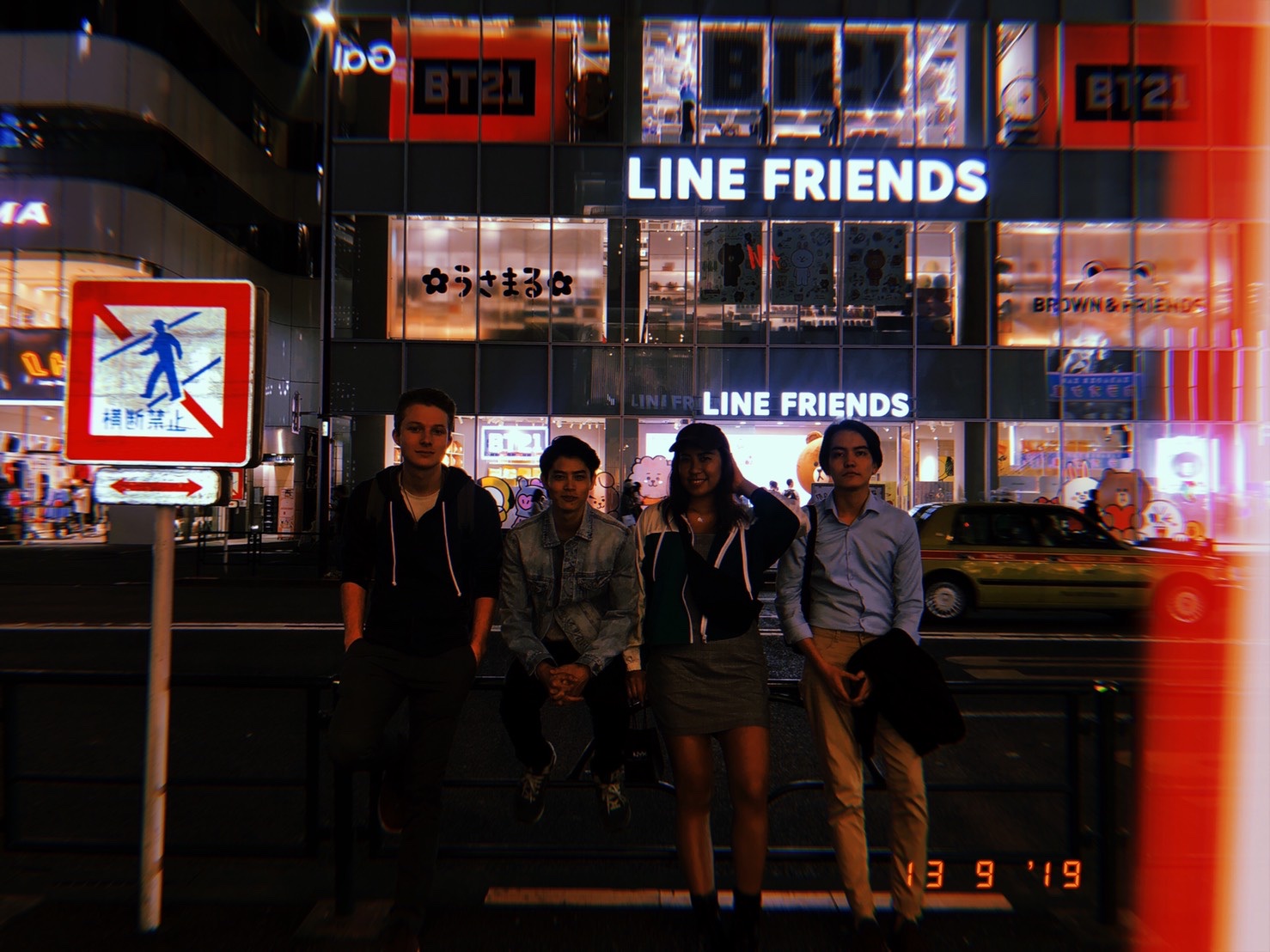
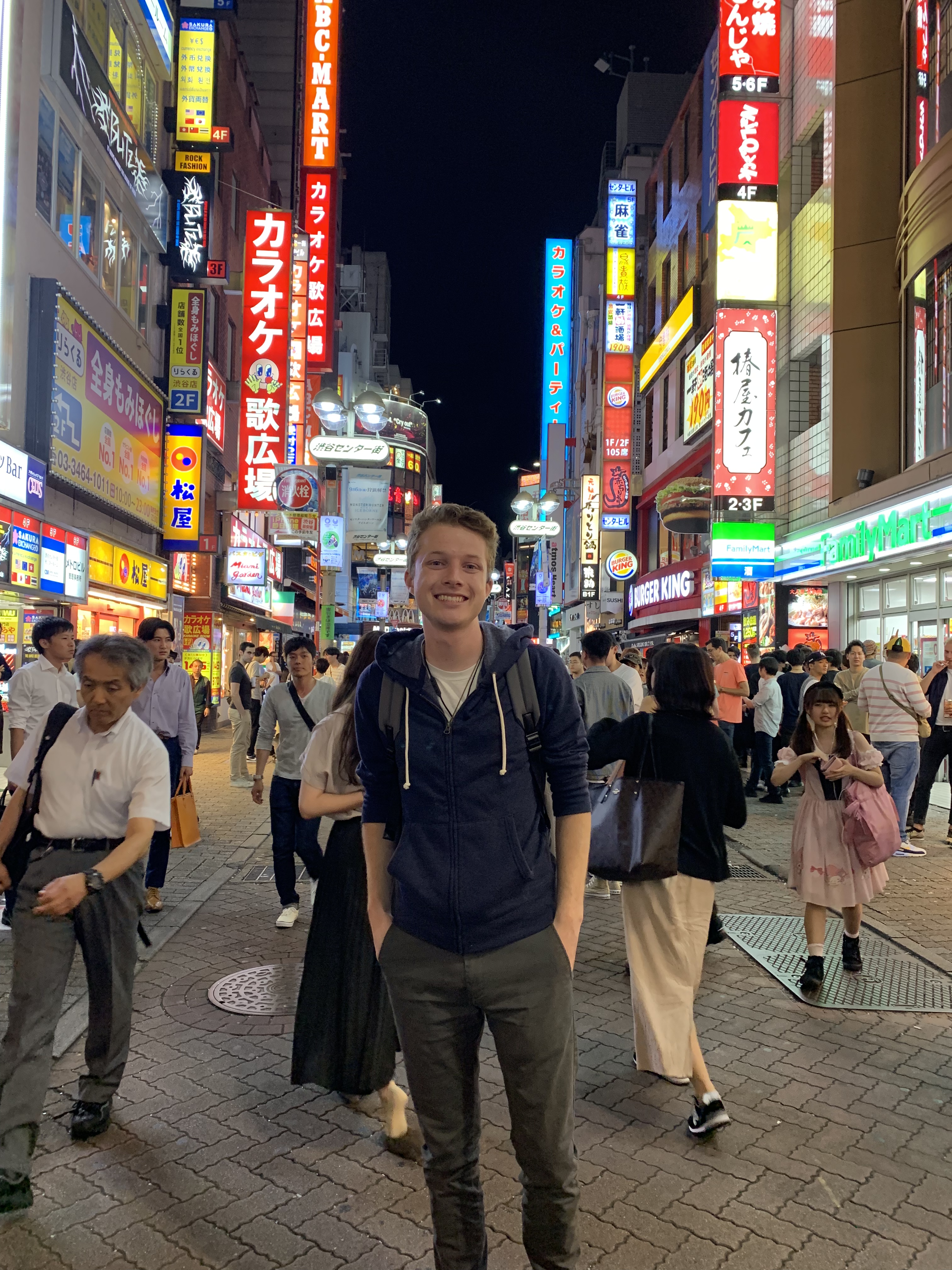
One night, I went to a part of Tokyo that I had never been before, Omote-Sando and Harijuku, with a group of people in which I was the only American. It was not until I returned to the dorm that I realized I was the only American as it felt so natural.
It is difficult for me to pinpoint what parts of me are changing but I know I am without a doubt changing. I have not even spent a month in this country and I already know that the experiences I have had will change me for the better.
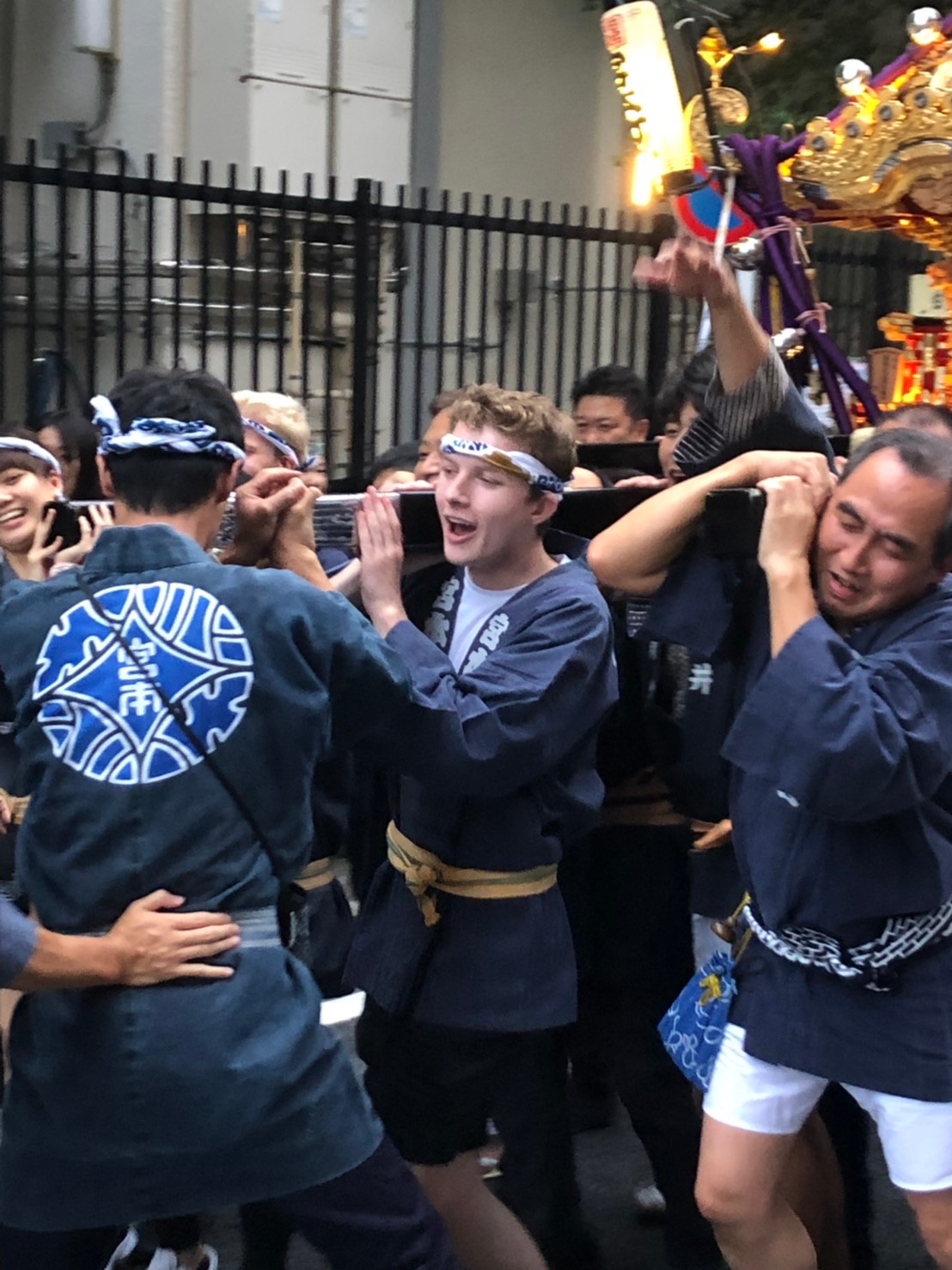
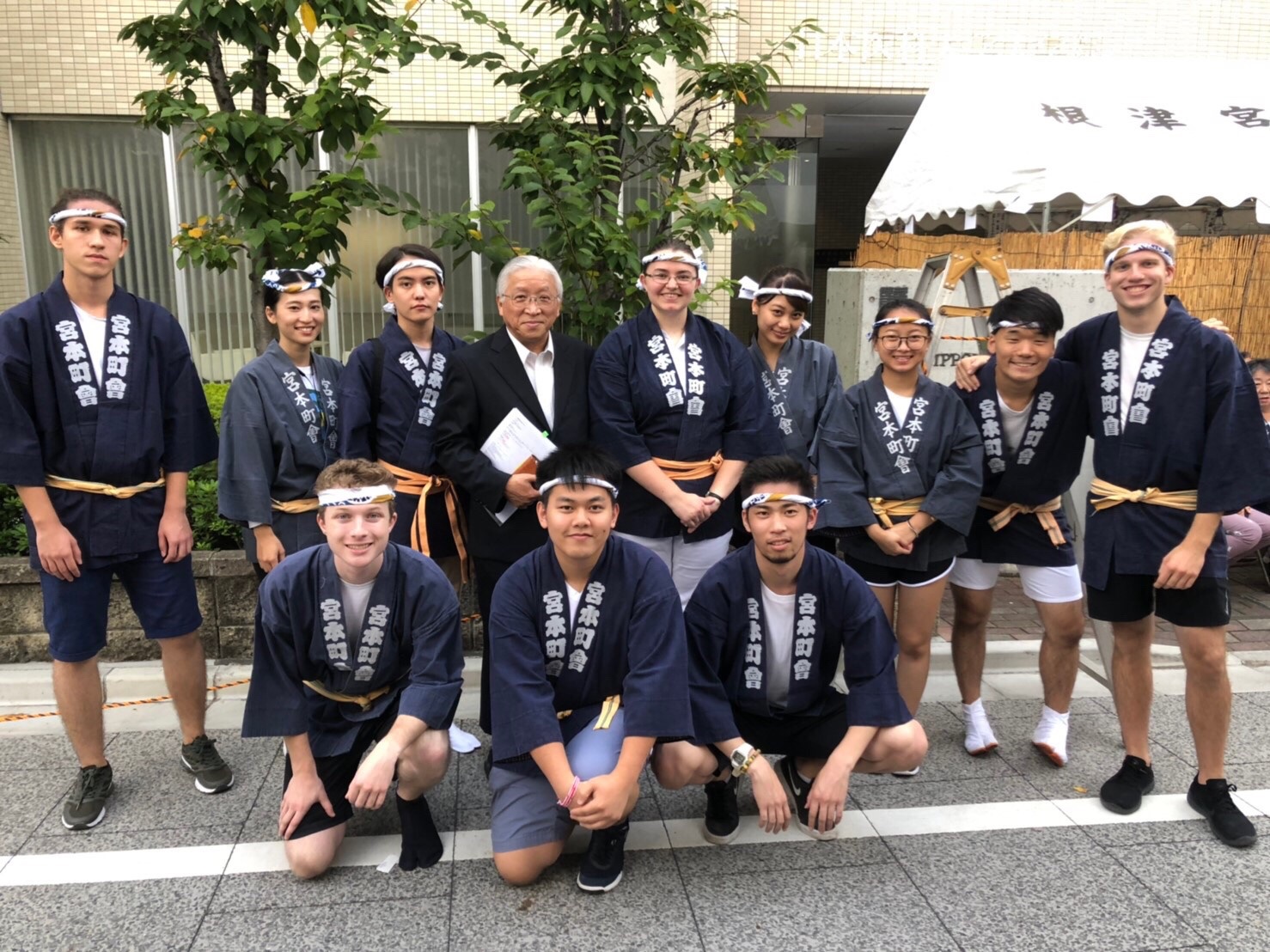
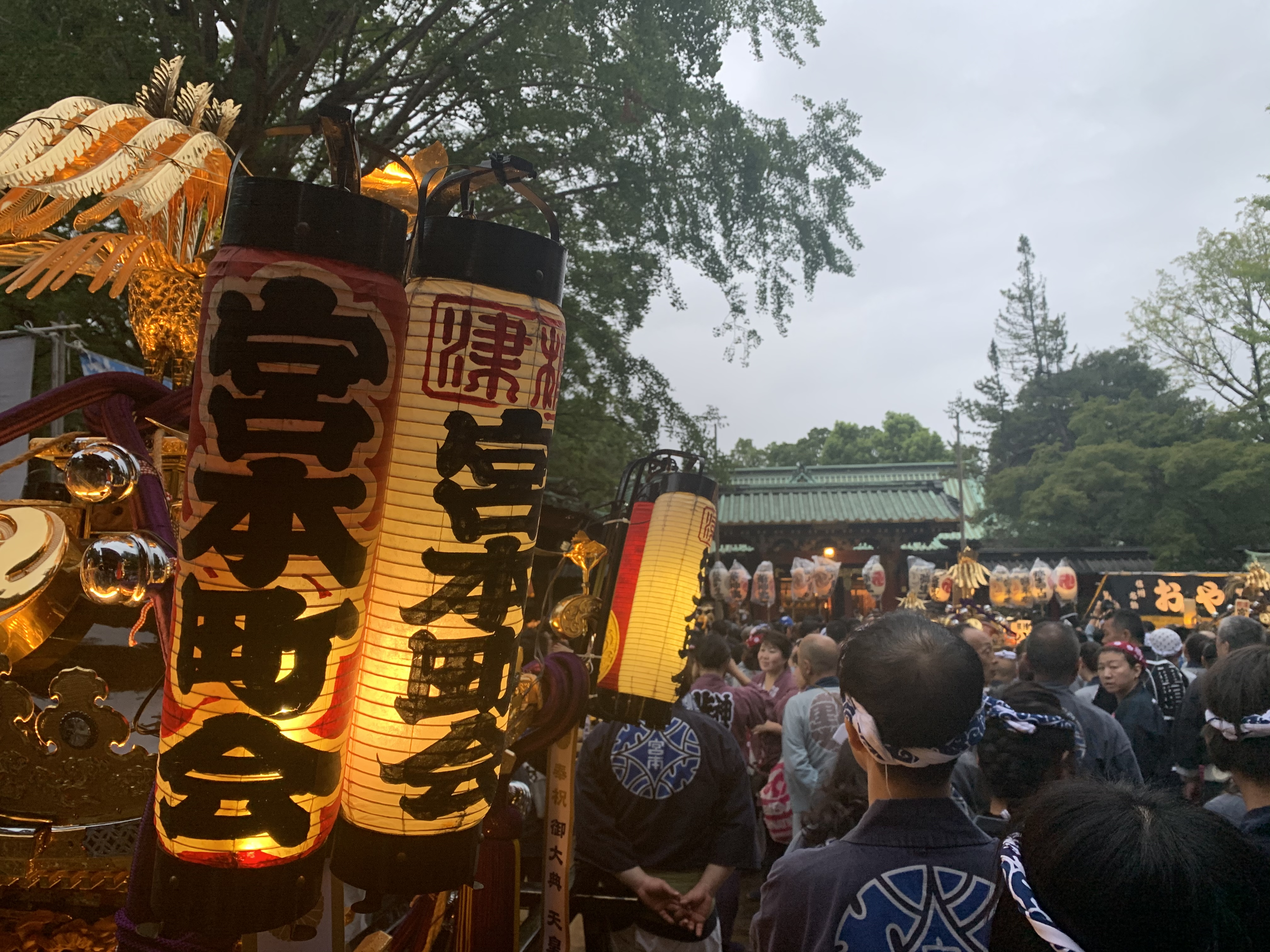
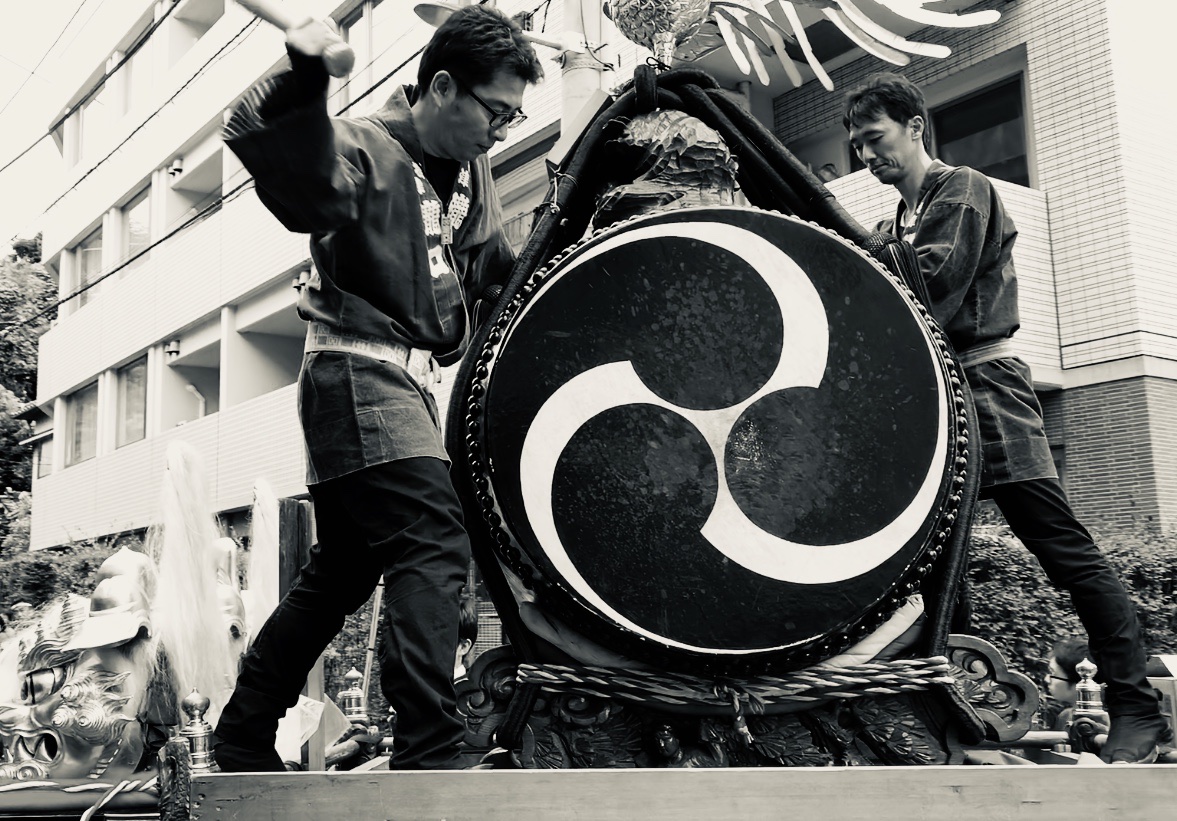
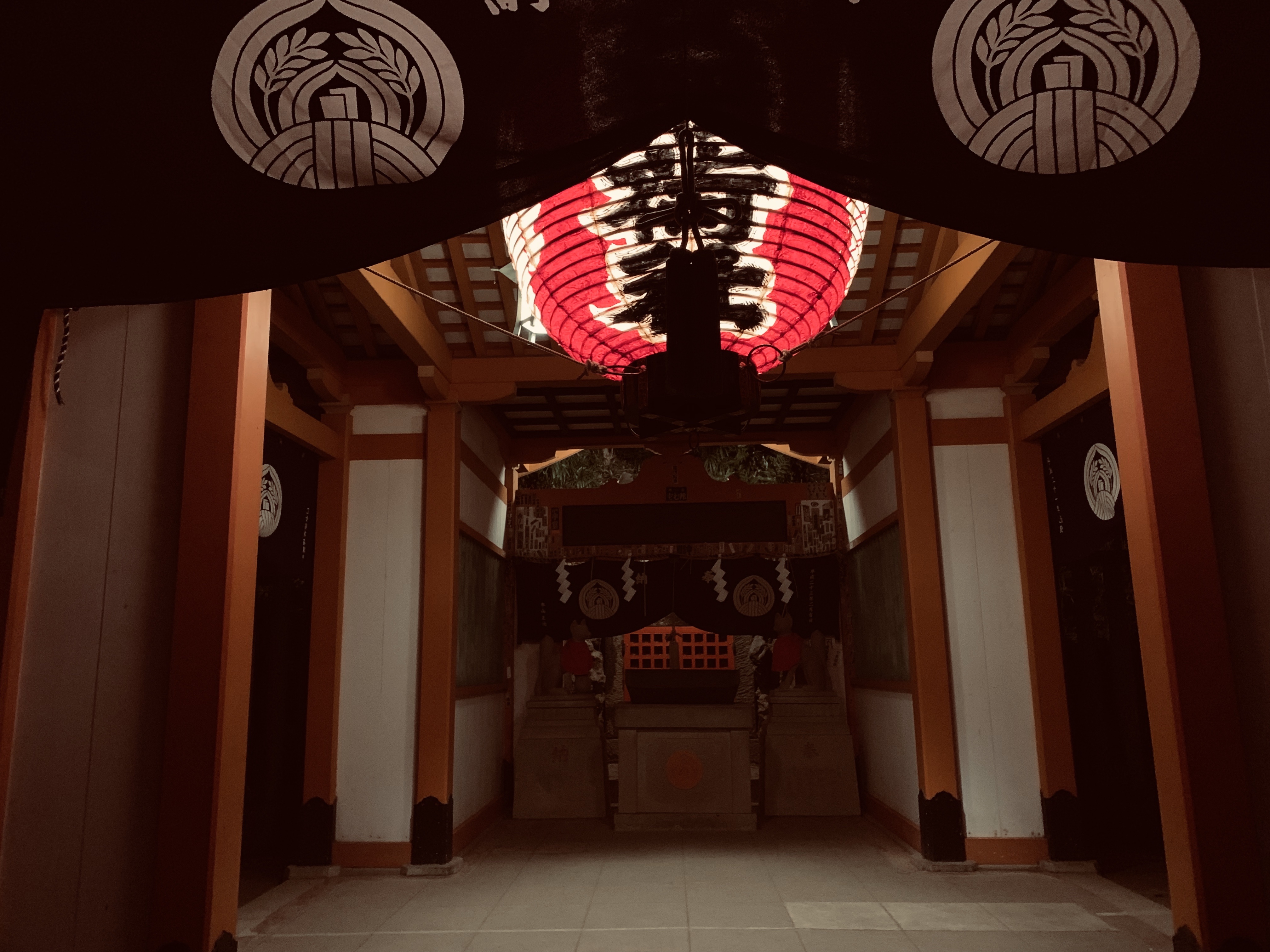
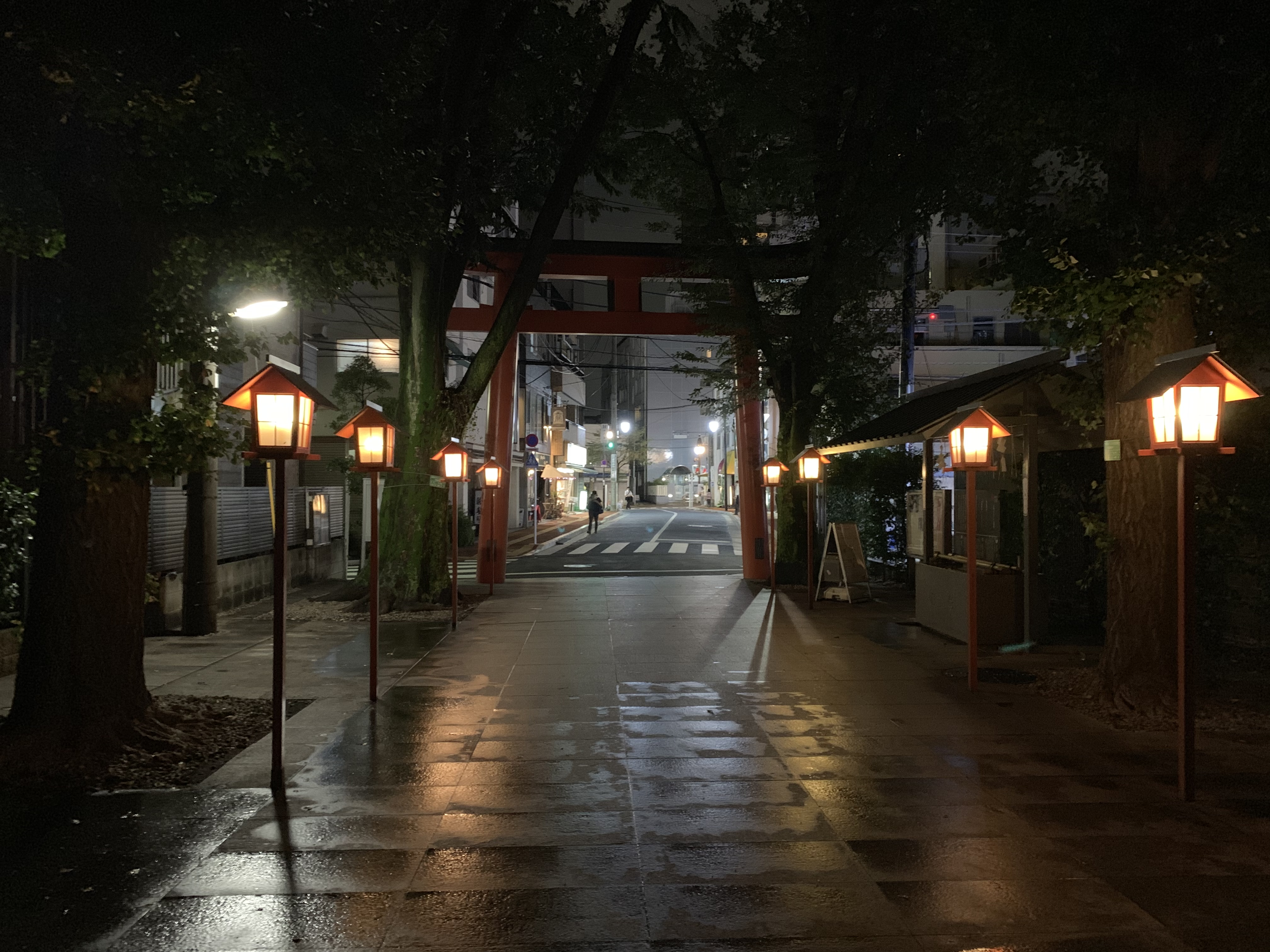
As I am writing this, my shoulders and calves are still sore from one of the coolest experiences of my life. This past weekend was the ‘Nezu Matsuri’, or ‘Nezu festival.’ Amazingly, we had the opportunity to participate in this centuries-old Shinto tradition. I signed up to carry a mikoshi, a heavy object that is believed to hold a Shinto deity, around the Nezu area. On Friday, only a few of the international students signed up. This meant that I was carrying the mikoshi with mostly Japanese people who have been doing this for years.
We had no practice before picking up the mikoshi. We were handed jackets and a headband and were marched over to the starting location. I was asked if I wanted to take the “hero position” while carrying. I, of course, said yes. Traditional Japanese music started playing as we shouted and clapped and picked up the mikoshi. That was when I realized why it was called the “hero position” The metal beam dug into my shoulder while people in front of the mikoshi pushed against it. They told me I also had to dance and shout. Despite this, I could not help but smile because of the incredible event I was a part of.
Crowds gathered and took photos as we chanted “sore!” “sa!” and “sui!” After a long night we made it back to our starting point. After putting down the mikoshi I realized how exhausted I was. A local shop provided free beer and onigiri (rice balls) for us. The matsuri was an amazing display of the sense of community in this area. At the same time, they were so welcoming to people outside the community including us.
The next day I woke up with horrible bruises on both of my shoulders. That night, we had to carry the mikoshi again but for twice as long. I managed to push through and I was so happy to have been able to share that experience with the rest of my friends. It is impossible to explain what the experience was like through words or pictures. The spirit of the matsuri area was unlike anything I have seen before. It is an experience I know will always stay with me.
 Japan 2019